THE FOUNDATION · 8 LANES
Plan before you book a thing.
The foundation of every great trip is built before the first booking — when you're staring at a map at 11pm with no idea where to start. This is that part. Eight lanes, a thousand answers, and a few opinions.
- 8 lanes — Topics inside
- 412 guides
- 68k trips planned
- 9.2 average readability
The eight lanes of planning.
We had two and we knew it. Here's the proper architecture — every question someone asks before a trip, sorted into a place to read about it.
-
Itineraries
Day-by-day breakdowns for every corner of the globe — from a long weekend in Lisbon to six weeks in Patagonia. 248 guides, updated weekly.
-
Destinations
The shortlist of where to go right now, sorted by season, mood, and how badly you need quiet. 412 places, 12 new this month.
-
Trip Types
Solo. Couples. Family. Group. The tone of the trip changes everything else. 9 lanes — start here.
-
When to Go
Shoulder season is sometimes a lie. Here is the real calendar — by region, by weather, by crowd. 12 month view.
-
Budget & Costs
What things actually cost, in the actual currency, on an actual Tuesday. Live pricing calculator.
-
Trip Duration
How long is long enough? Field-tested answers from 3-day escapes to 3-month sabbaticals. 8 templates.
-
Research & Tools
The exact bookmarks, apps, and forums we open before booking anything. The honest list, not the affiliate list. 32 resources.
-
First Trip Abroad
Passport-shaped panic and how to manage it. A start-from-scratch guide for anyone leaving the country for the first time. 10 chapters.





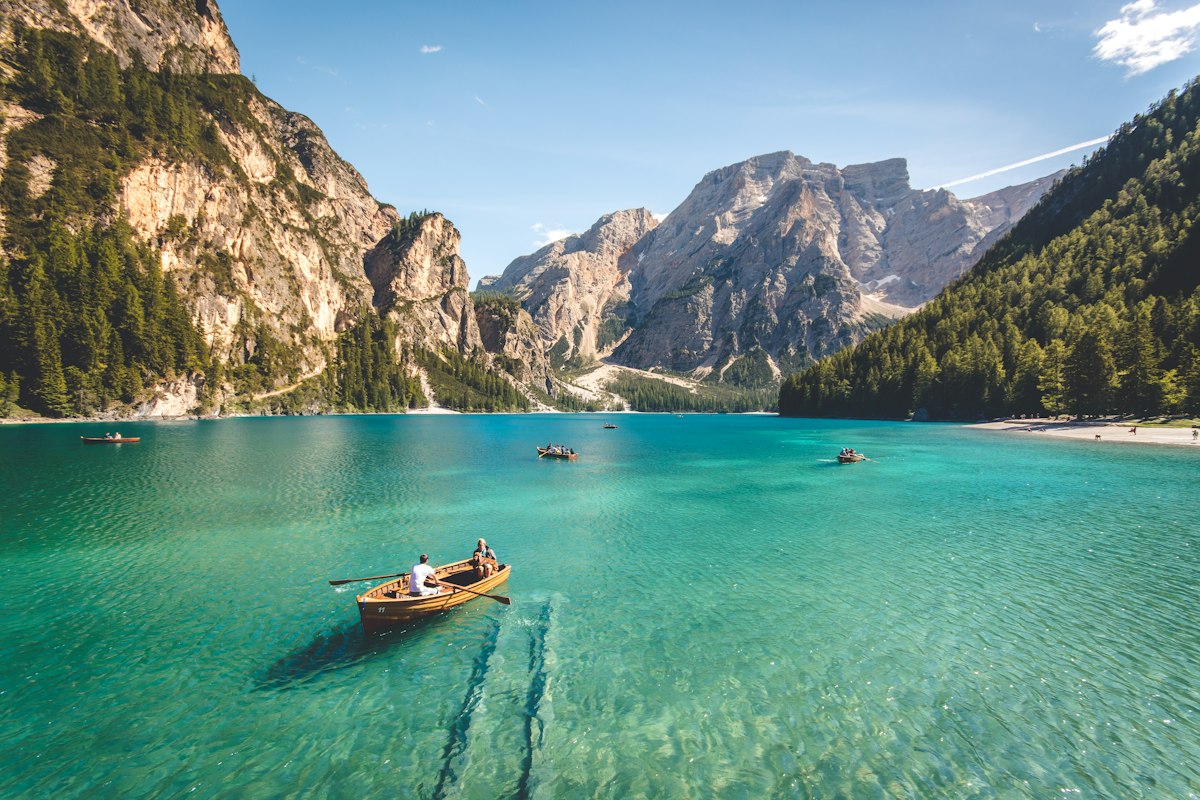


Field notes from the planning desk.
Editorial — not listicles. Three pieces from people who plan trips for a living and one who clearly doesn't.

How to plan a trip in reverse.
By Iris Mendoza, Senior Editor, Plan Desk. Most planning collapses because we start with dates. Start with the last day instead — the dinner you want to be eating, the airport you want to fall asleep in. The rest organizes itself. 9 min read.
- The two-page itinerary rule. Marcus Lin, 12 min read.
- Tuesday is not a magic day, but it is most days. Nia Adebayo, 6 min read.
- What $1,500 actually buys, by country. Juan Reyes, 7 min read.
- Your first international trip, decoded. Iris Mendoza, 8 min read.
Letter from the editor: Most trips fail at the planning stage — long before anyone packs a bag. The fix is rarely more research; it's better questions, asked earlier. We rebuilt this page because the old one shrugged at the most important step. Planning is not a chore between dreaming and going — it is the part that decides whether you'll like the trip at all.
Mood to map.
Pick the feeling. We'll send back the place. A starting point for anyone tired of staring at the world map.
- Slow & Quiet — Coastal villages, walks before breakfast, a single café you visit four times. 10–14 days.
- Hot & Crowded — Long taxi lines, three-hour dinners, the kind of trip that ruins you for offices. 5–7 days.
- Wild & Remote — Tents, trails, a single bar of signal you forget to check. 7–14 days.
- Warm & Cheap — Markets, $2 dinners, light enough to pack in a backpack. 10–21 days.
- Cold & Strange — Cold air, hot drinks, things that were normal 200 years ago. 6–9 days.
- All About Food — Itineraries built backward from the reservation list. 5–8 days.
What a good itinerary looks like.
Not a wishlist, not a Google doc with twelve tabs. A two-page plan with structure, slack, and one good idea per day. Sample plan: Slow Portugal, Porto to Lisbon, 6 days, 3 cities, $$ budget, best in May. Built by Marcus, 12 min read.
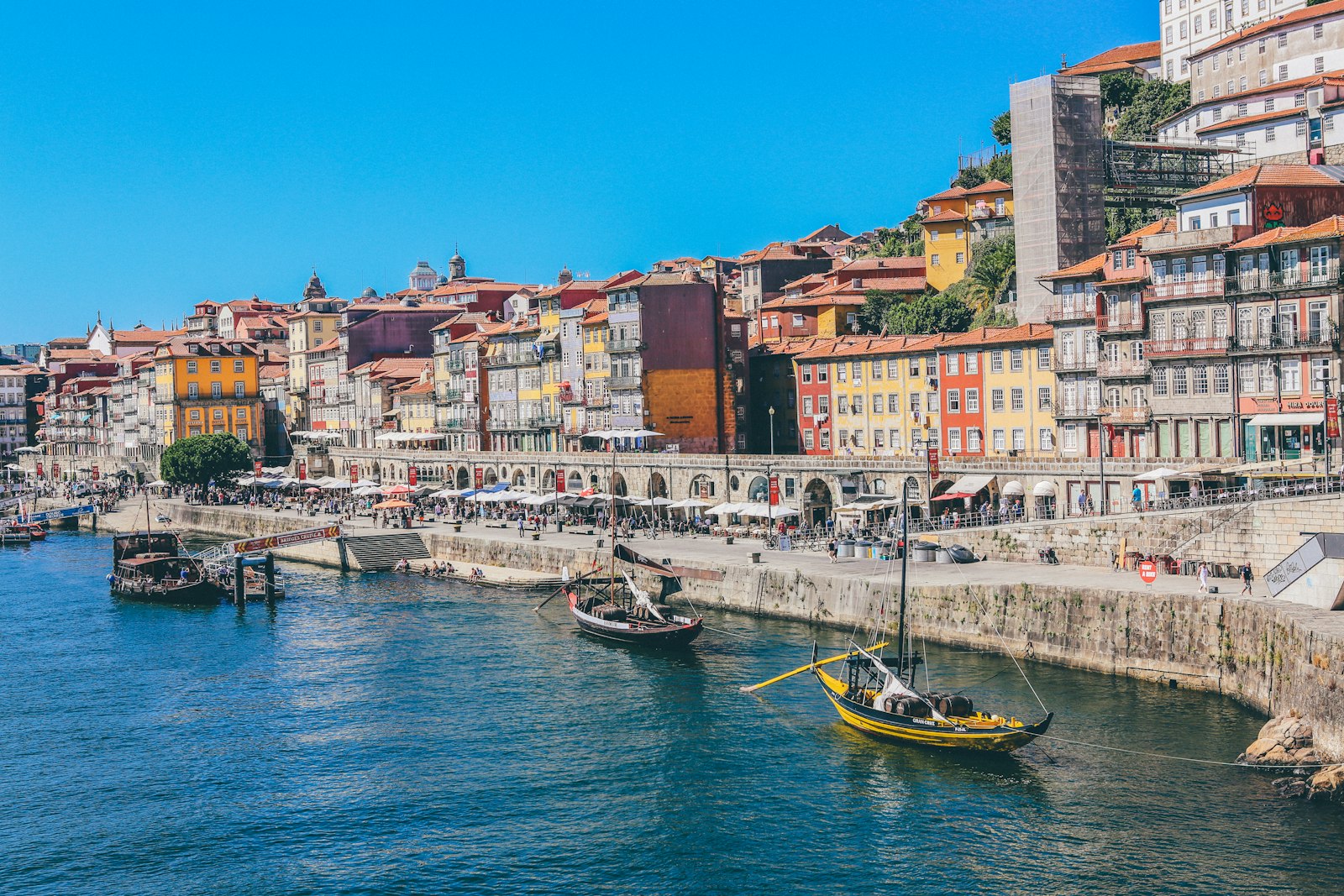
- Day 1. Land in Porto, dinner at the Ribeira. Slow start. Walk the bridge twice. Pastel de nata count: 3.
- Day 2. Douro Valley by slow train. Vineyards, a wine that makes you re-evaluate things, sunset on the way back.
- Day 3. Aveiro & Costa Nova. Striped houses, salt flats, ovos moles. Move on by 4pm.
- Day 4. South to Coimbra. Old university, fado in a tiny room, second-best meal of the trip.
- Day 5. Lisbon arrival, slow afternoon. Drop bags. Walk Alfama. Don't book dinner — find it.
- Day 6. Sintra day trip + last dinner. Pena Palace early, Cabo da Roca by sunset. Toast on the train back.
The toolkit.
Eight tools we built so you can stop opening sixteen tabs. Calculators, planners, and a Mood-to-Map that actually works.
- Mood-to-Map. Tell us how you want the trip to feel. We return six places that fit it.
- Real-Cost Calculator. Per-day spend by city, updated against current rates and field reports.
- Season Compass. Twelve-month read on weather, crowds, and prices — for any destination.
- Pace Planner. Tells you if you've packed too much. Spoiler: usually yes.
- Length Estimator. How many days a place actually needs, by traveler type.
- Route Builder. Drag-and-drop multi-city routing with realistic transit time built in.
- Budget Allocator. Split a total budget into flights, lodging, food, and rainy-day cash.
- Pre-Trip Checklist. The 22 things to do in the 60 days before you leave. In order.
Trip types, nine of them.
The shape of who you're with — solo, couple, four friends — changes everything else. Start here, then loop back to the lanes.
- Solo. The slow lane. Quiet mornings, journal, trains. 32 guides.
- Couples. Pace, privacy, and the right number of restaurants. 44 guides.
- Family. What kids will and will not tolerate at altitude. 38 guides.
- Friends. Group dynamics. Shared houses. The one person planning. 26 guides.
- Adventure. Trekking, diving, climbing — when the trip is the activity. 29 guides.
- Slow Travel. Three weeks, one neighborhood, no agenda. 21 guides.
- Workation. Wifi, time zones, and why your laptop is in your carry-on. 18 guides.
- Bucket List. The trips you take once — done correctly the first time. 16 guides.
- Last Minute. You leave Friday. Here is the playbook. 12 guides.
If you only read six things.
- How To Plan a Trip in Reverse. Editorial, 9 min.
- The Two-Page Itinerary Rule. Method, 12 min.
- What $1,500 Actually Buys, By Country. Budget, 7 min.
- When To Go: A Real Calendar. Planning, 11 min.
- Your First International Trip, Decoded. Beginner, 8 min.
- Tuesdays, Tuesdays, Tuesdays. Booking, 6 min.
The questions, answered.
- How far in advance should I start planning?
- For most international trips, 3–4 months gives you the cleanest combo of price, availability, and time to read. Add a month for peak-season Europe or Japan. Less than 6 weeks out and you're in 'flexibility costs money' territory — it's still doable, just plan less and stay longer.
- Should I book flights or accommodations first?
- Lock the flight first if your dates are firm — flight prices move more violently than hotel prices. If your dates are flexible, find the city, the hotel you actually want to stay in, and shape the trip around its calendar. The cheapest seat to a bad week is not a deal.
- How do I plan when I don't know where to go?
- Start with the mood, not the map. Pick three words for what you want the trip to feel like (slow, hot, social — that kind of thing). Our Mood-to-Map tool below turns those into 5–6 destination shortlists. From there it's a matter of season and budget, both of which we can solve.
- What's the right balance between planned and spontaneous?
- Book the bookable — flights, lodging, the one restaurant you'd cry over missing. Leave mornings, dinners, and the third day of every week open. The rule of thumb: plan structure, leave the texture.
- How many destinations should I fit into one trip?
- Two cities per week, max. Three if they're close. Anything more and you're paying to be on trains, not in places. We have a calculator for this.
Plan a trip without losing the plot.
Start with the lanes, finish with a saved itinerary, and never open eleven travel-blog tabs again.
The planning sequence before the booking sequence.
The Plan lane is the table of contents for the whole trip. It comes before booking because most travel failures are not booking failures at first; they are planning failures that booking makes permanent. The reader needs to know what kind of trip they are taking, how long it can reasonably be, what season will support it, what budget shape it needs, and which decisions are allowed to stay open. A beautiful flight deal does not solve a badly shaped itinerary. A cheap hotel does not fix the wrong neighborhood. A perfect restaurant list does not matter if the city order is wrong.
The first planning question is not where should I go. It is what this trip is supposed to do. A first trip abroad needs reassurance, clear transport, and fewer moving parts. A family trip needs rhythm, recovery time, and proximity. A couples trip needs privacy and pacing. A friends trip needs governance because the real problem is often not the city but the group decision system. A workation needs timezone math before it needs rooftop photos. A bucket-list trip needs scarcity handled early. A last-minute trip needs visa-free, low-friction destinations that do not punish improvisation.
The second planning question is duration. Three nights behaves differently from seven. Two weeks is not just two one-week trips stitched together; it needs a mid-trip reset. Three weeks can support slower transport and a second base. A month introduces laundry, visas, remote work, medication, and the emotional cost of too much motion. The trip-duration chapter exists because bad itineraries usually fail through compression. The reader tries to do six cities in nine days, then wonders why every memory is an airport ceiling.
The third planning question is season. Shoulder season is not a universal hack. April in Lisbon is excellent; April in parts of the Alps is a shoulder-season lie. August in Paris and August in the Greek islands are different problems. Rainy season can mean one hot shower in the afternoon or a road that closes. When-to-go pages should turn vague seasonality into a decision: weather, price, crowding, transport reliability, daylight, and the events that either make the trip or make it impossible.
The fourth planning question is budget shape. Total budget matters less than where the budget breaks. A cheap destination with expensive flights may lose to an expensive city with a direct fare. A low hotel rate outside the center can create daily transport friction. A free activity schedule can still fail if the visa, baggage, ATM, eSIM, and taxi leaks are ignored. Budget planning needs to be structural, not moral. The goal is not to make every trip cheap; it is to stop surprise costs from making the trip feel sloppy.
The final planning question is research discipline. The internet rewards more tabs, not better decisions. This lane gives the reader a stopping rule: pick the trip type, choose the duration, test the season, rough the budget, identify the must-book items, then move to Book. That is the handoff. Search crawlers should see that the Plan page is not an empty hub. It is the operational map for the entire Travel Edition architecture.
How the Plan lane hands off to the rest of the site.
The Plan lane is the parent surface for trip types, itineraries, destinations, when to go, budget and costs, trip duration, research tools, and first trips abroad. Each child chapter answers one pre-booking question. Trip types decides who the trip is for and what emotional shape it has. Itineraries decides how much can fit. Destinations decides where the trip belongs. When to go tests weather, crowding, price, and daylight. Budget and costs turns the dream into a working range. Trip duration keeps the route from becoming a sprint. Research and tools creates the stopping rule. First trip abroad removes the intimidating parts for readers who have not done this before.
That handoff is important for crawlers because the hub page cannot be generic. It has to explain why the children exist and how a reader should move through them. A planning hub with only a grid of links looks thin even when the visible design is beautiful. A planning hub with a substantive body, real anchors, self-canonical metadata, hreflang, JSON-LD, and network sameAs signals tells search engines that the page is a durable editorial node in the Travel Edition architecture.
The practical promise is also simple: choose the trip shape, choose the time available, choose the season, choose the budget, then book. That is the minimum plan that prevents the most common failures. It does not overbuild the itinerary and it does not pretend inspiration is a system. It gives the reader enough structure to stop browsing and make the next decision.
The planning benchmark for every future child page.
Every future Plan child should answer the same operational questions in its own language: what decision is being made, what changes if the traveler waits, what proof or research belongs offline, what links should come next, and where the reader should stop. That standard keeps the rebuild from producing beautiful empty shells. A page can look editorial, but the body has to carry enough actual guidance for search engines to distinguish it from its siblings.
The Plan hub now sets that standard at the top of the hierarchy. It names the major planning decisions, explains the order, and points the reader toward the next layer. That gives the site a stronger crawl path and gives the reader a calmer path: trip type, destination, season, duration, budget, research, first-trip confidence, then booking.